Window Restrictors by Cardea
Designed to protect and built to last, the Cardea Window Restrictors range was specially developed to prevent falls from windows in all types of environments from Care Homes and NHS Trusts, to Nurseries and Hotels.

Window Restrictors by Cardea
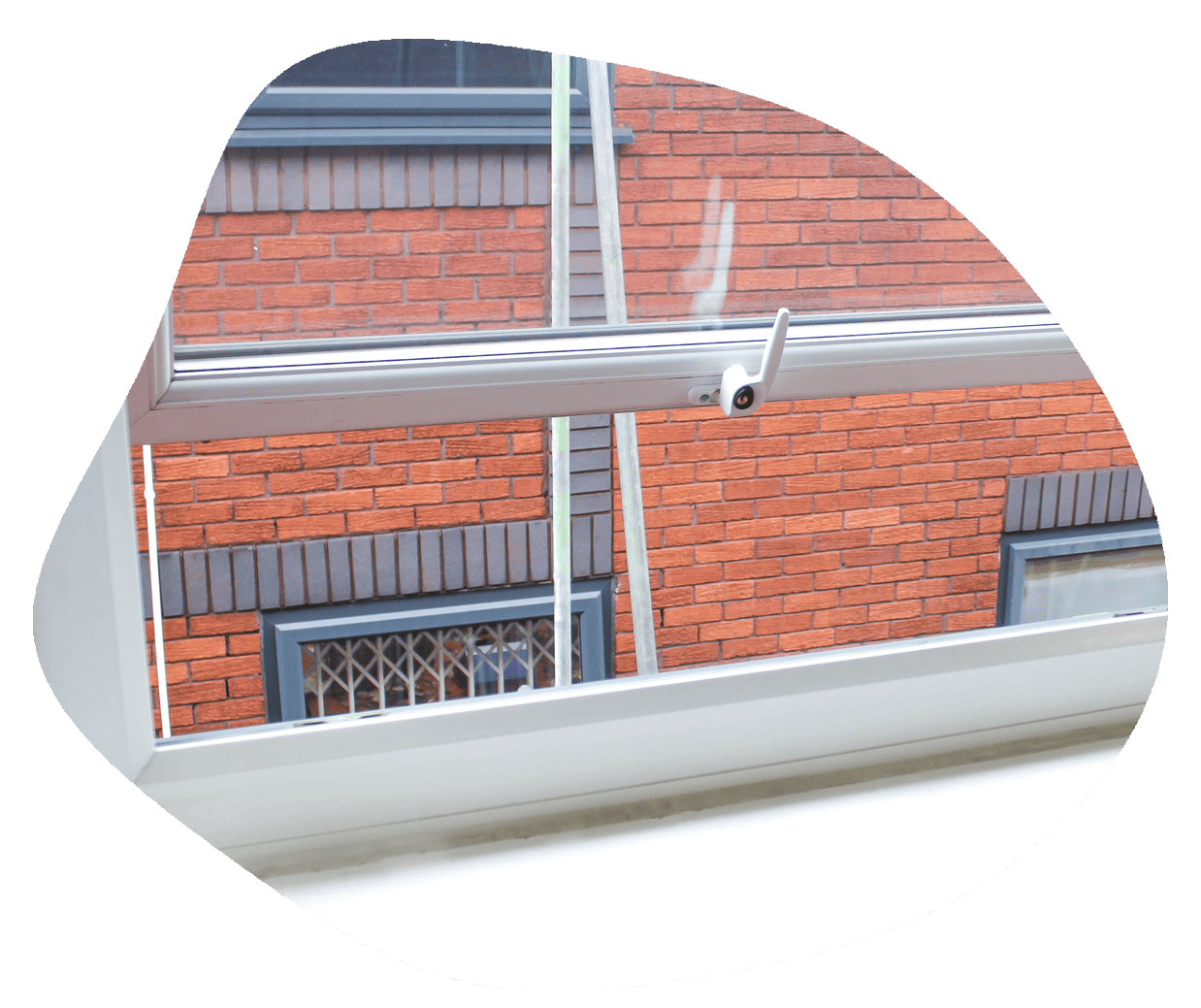
Prevent Falls From Windows
Accidents from falls out of open windows can cause significant injuries, particularly to young children and the elderly.
According to the Royal Society for the Prevention of Accidents, approximately 4,000 such incidents occur each year, highlighting the importance of window safety.
Shop Window Restrictor Products
-
Sale!

Cardea Essential Window Restrictor
Price range: £5.00 through £39.95 Select options This product has multiple variants. The options may be chosen on the product page -
Sale!
Cardea Pro Column Window Restrictor
Price range: £6.95 through £84.95 Select options This product has multiple variants. The options may be chosen on the product page -
Sale!
Cardea Pro Push and Turn Window Restrictor
Price range: £6.45 through £165.00 Select options This product has multiple variants. The options may be chosen on the product page


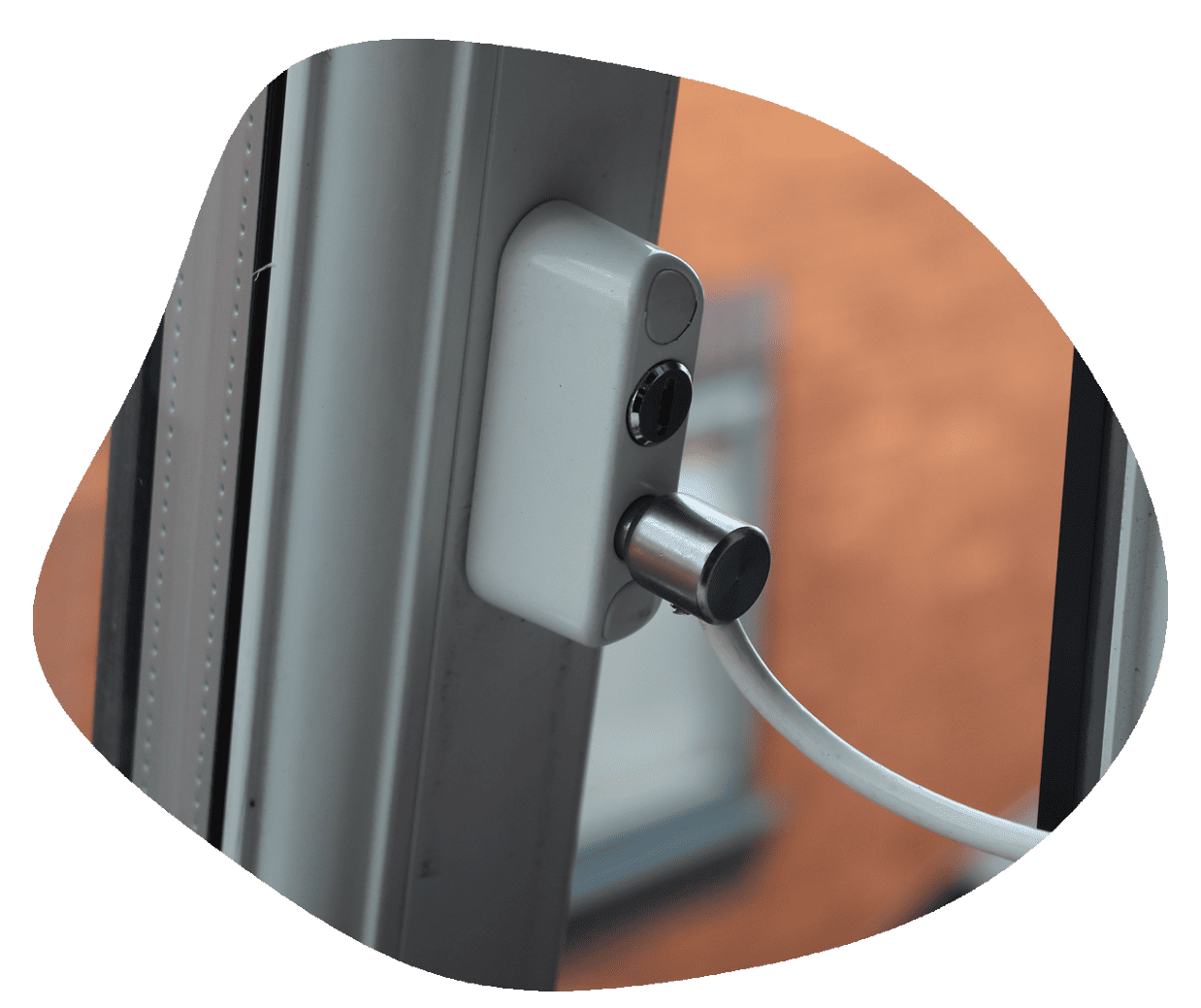
Designed to Comply to HSE Guidelines
Safety is paramount, which is why all Cardea window cable restrictor are designed to meet the guidelines set by the HSE and child-proof regulations.
When fitted, our restrictors can restrict to an window opening of 10cm in accordance with HSE guidelines or 8.9cm as recommended for child safety.
Push and Turn Restrictor
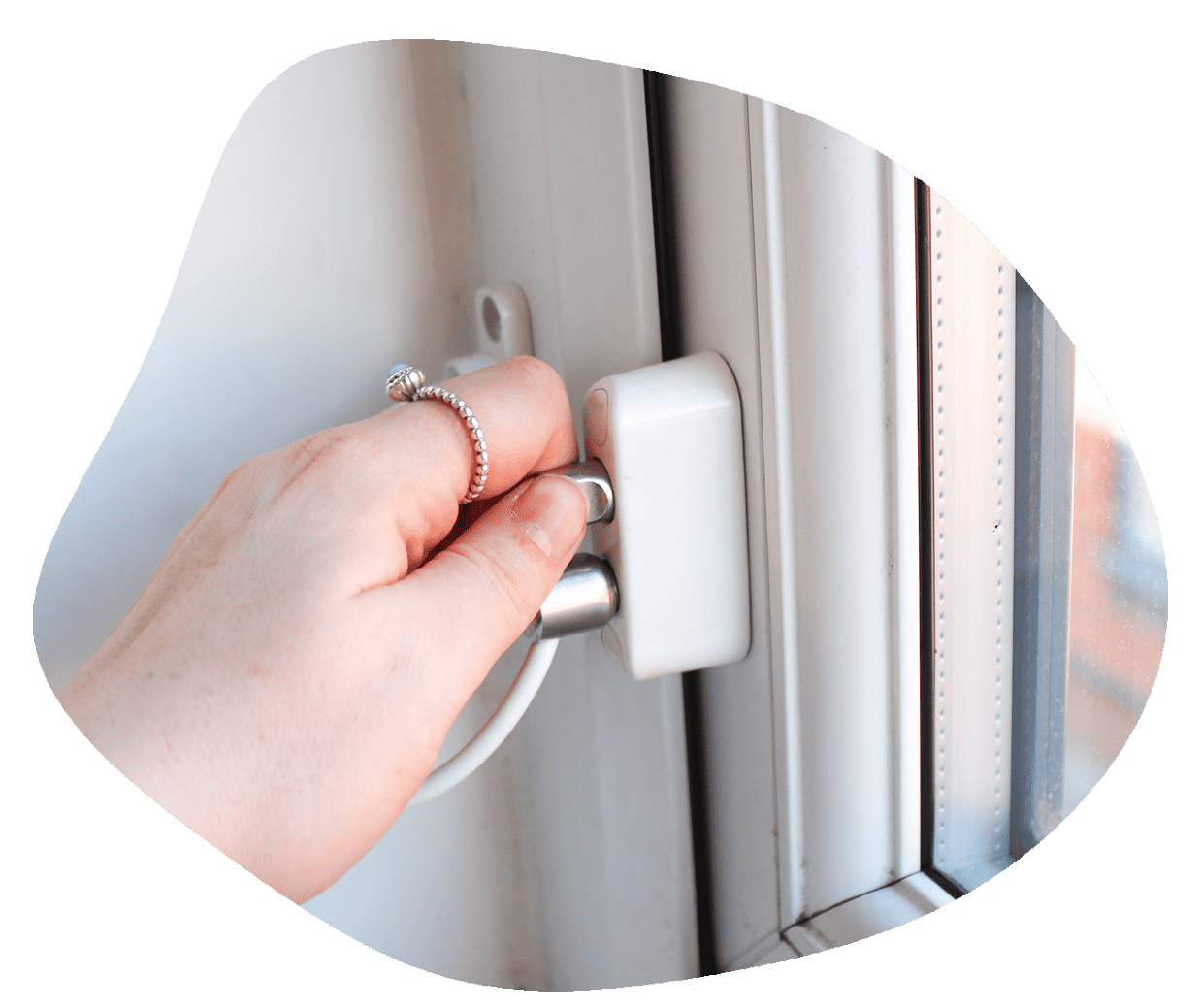
The Push and Turn window restrictor is unique in our range as it has a keyless design.
Its tamper-proof screws provide an additional layer of protection, ensuring that the restrictor remains securely in place.
Window Restrictor FAQs
A window restrictor is a safety device designed to limit how far a window can open, helping reduce the risk of accidental falls. Cardea offers cable-operated and adjustable column restrictors for domestic and commercial environments, including homes, schools, nurseries, hotels and care homes.
The appropriate opening depends on the building, its occupants and the applicable safety requirements. Cardea’s guidance refers to a maximum opening of 100mm in relevant HSE settings and 89mm for child safety. The actual opening depends on the product and fitting position, so always check the installation instructions and carry out a suitable risk assessment.
Yes. Cardea’s window restrictors are designed for many uPVC, aluminium, timber and metal window profiles. Compatibility depends on the window design, frame construction and available fixing points. Always check the individual product’s fitting requirements before installation.
Window restrictors can help manage fall risks in care homes, hospitals and other healthcare environments. The appropriate device should be selected following a site-specific risk assessment, taking account of vulnerable occupants, tamper resistance, window opening limits and emergency access requirements.
Window restrictors can be an important part of managing window safety in schools and nurseries, particularly where children can access windows above ground level. Whether a restrictor is required, and which type is appropriate, depends on the building layout, foreseeable risks and applicable safety requirements.
Key-operated window restrictors require a key to release the restriction, helping control who can open the window further. Cardea’s Pro Push and Turn Window Restrictor uses a keyless manual release mechanism, making it an alternative where key-operated devices are unsuitable. The correct choice depends on the setting and its safety requirements.
Many Cardea window restrictors are designed for straightforward installation, with fitting times typically stated as under 5-10 minutes, depending on the model and window construction. Installation generally requires basic tools, although professional fitting may be appropriate for larger premises or specialist environments.
Some Cardea window restrictors can be used with outward-opening windows, provided the window design allows suitable fixing positions and the device operates correctly throughout the opening movement. Compatibility should be checked against the chosen restrictor’s installation instructions.
Cable window restrictors use a flexible cable to limit window opening, while column restrictors use a rigid adjustable mechanism. Cardea’s Pro Column Window Restrictor offers a discreet alternative to cable designs, with several adjustable opening settings. The best choice depends on the window design and safety requirements.
Yes. Window restrictors should be checked periodically to ensure the fixings remain secure, the mechanism operates correctly and the opening limit has not changed. In care homes, schools and other managed premises, inspections should form part of the property’s documented maintenance and safety procedures.